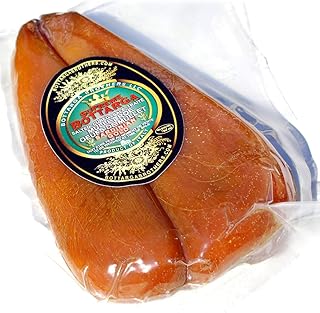
In the pantheon of gourmet ingredients, few possess the mystique and concentrated flavor of Bottarga. Often referred to as "Sardinian Gold," this salted, cured fish roe has been a cornerstone of Mediterranean cuisine for centuries, prized for its intense umami flavor and versatility. Originating from the coastal regions of Italy, particularly Sardinia and Sicily, Bottarga transforms simple dishes into extraordinary culinary experiences with just a few shavings.
The Essence of Bottarga: Grey Mullet and Tuna Roe
Authentic Bottarga primarily comes from two sources: grey mullet (muggine) and bluefin tuna. The Bottarga Di Muggine is the most traditional, hailing from the Cabras lagoon in Sardinia. This variety, like the Smeralda Italian Whole Bottarga, offers a rich, briny, and slightly nutty flavor. On the other hand, Sicilian Bluefin Tuna Bottarga tends to be darker, with a more robust and iodine-forward taste. Both are considered premium seafood delicacies.
From Whole Roe to Grated Convenience
Bottarga is available in two main forms: whole lobes and pre-grated. Whole Bottarga, such as the Sanniti Bottarga Cured Mullet Roe, is a beautiful, amber-hued block that you grate yourself using a microplane or fine grater. This method preserves maximum freshness and aroma until the moment of use. For convenience, pre-grated options like Sardinian Grated Bottarga or Le Mareviglie Grated Bottarga are perfect for quick garnishing. The grating process unlocks the roe's complex flavors, making it an instant umami flavor bomb.
Culinary Uses: More Than Just a Pasta Topping
While famously grated over spaghetti (Spaghetti alla Bottarga), this gourmet ingredient has endless applications. Its salty, oceanic punch enhances salads, bruschetta, scrambled eggs, and creamy risottos. Think of it as the seafood caviar of the Mediterranean. A light grating over fresh, sliced tomatoes drizzled with olive oil creates a sublime appetizer. It also pairs wonderfully with neutral starches like boiled potatoes or polenta, allowing its flavor to shine. For more cooking tips, exploring a dedicated Bottarga guide can unlock its full potential.
Selecting and Storing Your Bottarga
When choosing Italian Bottarga, look for products with a Protected Geographical Indication (PGI) from Sardinia for assurance of authenticity. The color should be a deep, uniform amber without dark spots. Brands like Sardinian Gold Authentic Sardinian Bottarga offer Kosher Bottarga, catering to specific dietary laws. Once opened, wrap whole Bottarga tightly in parchment paper and then in foil, storing it in the refrigerator. Grated Bottarga should be kept in an airtight jar in a cool, dark place. Properly stored, it can last for months, making it a valuable pantry staple.
Whether you opt for the iconic whole lobe of Sardinian Gold or the ready-to-use grated version, incorporating Bottarga into your kitchen is an investment in flavor. It embodies the soul of Sardinian cuisine—simple, respectful of ingredients, and profoundly delicious. Start with a classic pasta dish, and soon you'll be discovering why this Italian delicacy has been cherished for generations as the true gold of the Mediterranean.